Aluminum Scrap Price Today (USA 2026): Current Rates Per Pound, Per Kg & Per Ton
If you’ve ever loaded your car with old aluminum wheels, window frames, gutters, or a pile of aluminum cans, you’ve probably asked yourself one question before heading to the scrap yard:
“How much is my aluminum actually worth?”
The frustrating part is that the answer isn’t always straightforward. One scrap yard may offer a higher price than another, today’s rate may be different from yesterday’s, and clean aluminum can be worth significantly more than mixed or contaminated scrap. Many first-time sellers don’t realize these differences until after they’ve accepted an offer.
Aluminum is one of the most valuable non-ferrous metals in the recycling industry, but getting a fair price requires more than simply knowing today’s market rate. Understanding the type of aluminum you have, how scrap yards grade it, and what influences daily price changes can make a noticeable difference in what you earn.
According to the Aluminum Association, nearly 75% of all aluminum ever produced is still in use today because aluminum can be recycled repeatedly without losing its quality. Recycling aluminum also requires far less energy than producing new aluminum from raw materials, making recycled aluminum an important part of the U.S. manufacturing supply chain.
This guide is built to answer the questions sellers ask most often. It combines average U.S. aluminum scrap prices with practical explanations of grading, pricing factors, and selling tips so you can make informed decisions before visiting a recycling center. Whether you’re a homeowner cleaning out a garage, a contractor managing renovation waste, or a regular scrap collector, you’ll have a clearer understanding of what affects aluminum scrap prices and how to maximize the value of your material.
Aluminum Scrap Price at a Glance
| Category | Average Price |
| Overall Aluminum Scrap | $0.35–$1.30/lb |
| Highest Paying Grade | Aluminum Wheels & Clean Extrusion |
| Lowest Paying Grade | Mixed Aluminum |
| Standard Selling Unit | Per Pound (lb) |
| Bulk Sales | Often qualify for better rates |
| Price Changes | Daily |
What Is the Current Aluminum Scrap Price?
The current aluminum scrap price in the United States generally falls between $0.35 and $1.30 per pound. Where your scrap lands within that range depends on several variables working together — the type of aluminum, its condition, the quantity you’re selling, and how strong demand is in your local market.
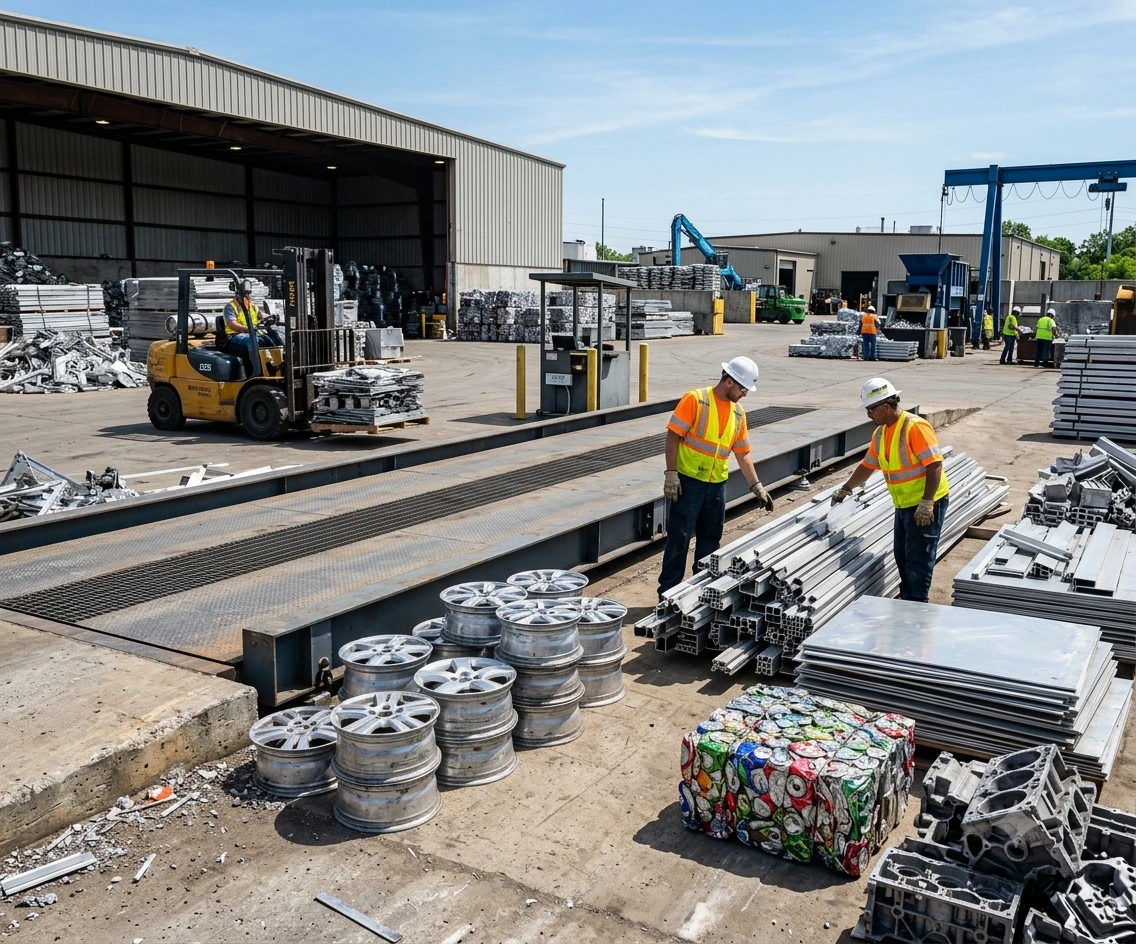
Clean aluminum wheels, extrusion, and cast aluminum typically command the highest prices because they require the least processing before they can be recycled. Mixed or contaminated aluminum, on the other hand, tends to sell for noticeably less. Since rates fluctuate so often, it’s worth comparing offers from a few local scrap yards before you commit to a sale.
It also helps to understand where these prices come from. Scrap aluminum values are largely shaped by the global aluminum market, and many U.S. recyclers keep an eye on benchmark prices published by the London Metal Exchange (LME) when setting their local buying rates. Local supply, demand, and the quality of the scrap you bring in still play a major role in the final price a yard offers you.
Are Aluminum Scrap Prices Going Up or Down?
Aluminum scrap prices move throughout the year rather than staying fixed. They often increase when manufacturing demand is strong and decrease during periods of lower industrial activity or weaker global metal markets. Because these changes can happen quickly, checking current local prices before selling is always recommended.
Aluminum Scrap Price Today in the USA
Most U.S. scrap yards buy aluminum by weight, and how much you walk away with depends on the aluminum grade, how clean it is, and the conditions of your local market at the time of sale.
The table below shows average aluminum scrap prices across the United States.
| Aluminum Scrap Type | Average Price Per Pound |
| Aluminum Cans | $0.45–$0.75 |
| Cast Aluminum | $0.50–$0.90 |
| Sheet Aluminum | $0.45–$0.85 |
| Aluminum Extrusion | $0.70–$1.20 |
| Aluminum Wheels | $0.75–$1.30 |
| Mixed Aluminum | $0.35–$0.70 |
Note: These are average market prices. Local scrap yards may pay more or less depending on demand, quantity, and material quality.
Aluminum Scrap Price Per Pound
In the United States, aluminum scrap is usually sold by the pound, which makes it fairly simple to estimate your payout before you even head to the recycling center.
Here are a few examples to give you a sense of scale:
| Weight | Price Per Pound | Estimated Value |
| 10 lbs | $0.75 | $7.50 |
| 25 lbs | $0.75 | $18.75 |
| 50 lbs | $0.75 | $37.50 |
| 100 lbs | $0.75 | $75.00 |
If your aluminum arrives clean and already sorted by type, you’ll typically receive a better price than you would for mixed scrap.
Aluminum Scrap Price Per Kilogram
Some recycling companies quote their prices per kilogram instead of per pound, particularly if they work with international buyers. For reference, one kilogram equals 2.2 pounds.
| Price Per Pound | Approximate Price Per Kilogram |
| $0.50 | $1.10 |
| $0.75 | $1.65 |
| $1.00 | $2.20 |
| $1.25 | $2.76 |
To estimate your payment under this system, simply multiply the total weight of your aluminum by the current price per kilogram.
Aluminum Scrap Price Per Ton
Commercial recyclers and industrial suppliers often deal in tons rather than pounds, especially when handling large volumes. One U.S. ton equals 2,000 pounds.
| Price Per Pound | Estimated Price Per Ton |
| $0.50 | $1,000 |
| $0.75 | $1,500 |
| $1.00 | $2,000 |
| $1.25 | $2,500 |
Bulk loads often receive higher per-pound offers than smaller quantities, since larger volumes reduce the handling and transportation costs a buyer has to absorb.
How Scrap Yards Calculate Aluminum Scrap Prices
Most scrap yards don’t pay a flat rate for every load that comes through the door. Instead, they weigh several factors together before making an offer, including:
- Aluminum grade
- Total weight
- Scrap cleanliness
- Attached materials such as steel or plastic
- Current aluminum market prices
- Local demand
- Quantity being sold
To put this in perspective, 100 pounds of clean aluminum extrusion will usually earn more than 100 pounds of mixed aluminum, simply because it requires far less sorting and processing before it can be recycled. Taking a little time to prepare your aluminum before selling it can meaningfully increase its value and lead to a better offer.
Aluminum Scrap Grades: Which Type Is Worth the Most?
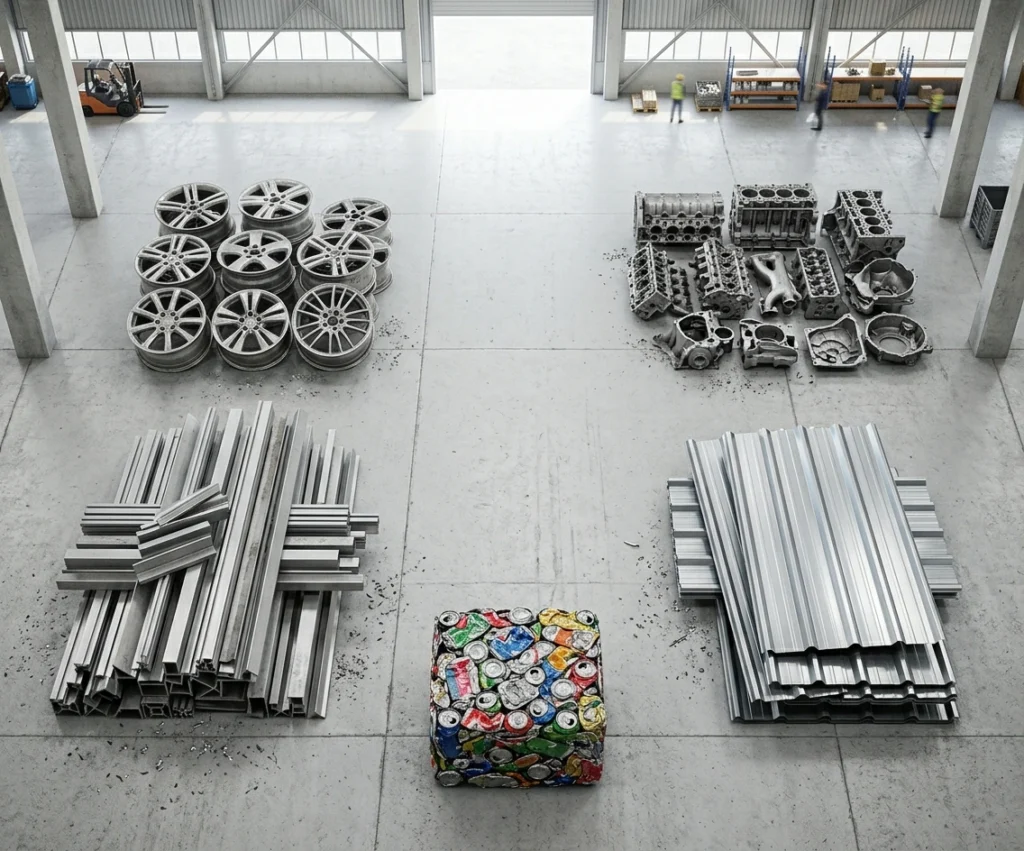
Not all aluminum scrap carries the same value. Scrap yards classify aluminum into different grades based on its alloy, cleanliness, and overall condition, and higher-quality grades tend to be easier to recycle — which is exactly why they earn higher prices. If you take the time to sort your aluminum before selling, you can often earn considerably more than you would by selling it as mixed scrap.
Common Aluminum Scrap Grades
Below are the most common types of aluminum scrap accepted by recycling centers in the United States.
Aluminum Scrap Grade Comparison
| Aluminum Grade | Typical Value | Common Use |
| Aluminum Wheels | Very High | Vehicles |
| Clean Extrusion | Very High | Windows & Doors |
| Cast Aluminum | High | Engines & Machinery |
| Sheet Aluminum | Medium | Roofing & Gutters |
| Aluminum Cans | Medium | Beverage Containers |
| Mixed Aluminum | Low | Mixed Household Scrap |
Aluminum Cans
Aluminum cans are among the most recycled products in the country, largely because they’re lightweight and simple to process at scale.
Common Sources
- Soda cans
- Energy drink cans
- Beer cans
- Juice cans
Average Price: $0.45–$0.75 per pound
Cast Aluminum
Cast aluminum is produced by pouring molten aluminum into molds, which gives it more thickness and durability than sheet aluminum. It’s widely used across automotive and industrial applications.
Common Sources
- Engine blocks
- Transmission housings
- Water pumps
- Machine parts
Average Price: $0.50–$0.90 per pound
Aluminum Extrusion
Aluminum extrusion ranks among the highest-paying scrap grades because it’s made from a high-quality aluminum alloy that recyclers can process efficiently.
Common Sources
- Window frames
- Door frames
- Railings
- Storefront systems
Average Price: $0.70–$1.20 per pound
Sheet Aluminum
Sheet aluminum is thin and flat, which makes it one of the easier grades to recycle.
Common Sources
- Roofing panels
- Gutters
- Flashing
- Wall panels
Average Price: $0.45–$0.85 per pound
Home renovation projects often generate sheet aluminum from gutters, roofing panels, flashing, and siding. Keeping these materials separate from other metals during teardown can help preserve their recycling value.
Aluminum Wheels
Aluminum wheels are manufactured from premium alloys, which makes them one of the most valuable types of aluminum scrap you can sell.
Common Sources
- Cars
- SUVs
- Pickup trucks
Auto repair shops, tire centers, and vehicle dismantlers frequently recycle aluminum wheels, engine parts, and radiators, and selling these items separately from mixed scrap often results in a noticeably higher payout.
Average Price: $0.75–$1.30 per pound
Clean vs. Dirty Aluminum
The condition of your aluminum has a direct and often significant impact on what a scrap yard is willing to pay.
Clean Aluminum
Clean aluminum has no attached materials weighing it down — no steel bolts, plastic, rubber, or insulation. Because it’s easier to recycle straight away, scrap yards usually reward clean aluminum with the highest prices available.
Dirty Aluminum
Dirty aluminum contains materials that require extra processing before it can be recycled, such as steel brackets, plastic fittings, rubber seals, heavy paint, or dirt and grease. Since removing these contaminants takes additional labor, most scrap yards reduce their offer accordingly.
How to Identify Aluminum Scrap
Identifying aluminum is fairly straightforward once you know what signs to look for.
Use a Magnet
Aluminum is not magnetic, so if a magnet sticks to an item, it likely contains steel or another metal rather than pure aluminum.
Check the Weight
Aluminum is much lighter than steel, so an unusually lightweight metal item is often a good sign that you’re holding aluminum.
Look for Alloy Numbers
Some aluminum products carry alloy markings, such as 6061, 6063, 5052, or 3003. These numbers can help you and the scrap yard identify the exact grade you’re working with.
Which Aluminum Scrap Pays the Most?
Prices shift daily, but certain grades consistently offer a better return than others.
| Aluminum Scrap Grade | Value |
| Aluminum Wheels | ⭐⭐⭐⭐⭐ |
| Clean Extrusion | ⭐⭐⭐⭐⭐ |
| Cast Aluminum | ⭐⭐⭐⭐ |
| Sheet Aluminum | ⭐⭐⭐ |
| Aluminum Cans | ⭐⭐⭐ |
| Mixed Aluminum | ⭐⭐ |
Premium grades tend to share a few traits in common — they’re usually clean, properly sorted, and free from contamination.
Where to Sell Aluminum Scrap
There are several places across the United States where you can sell aluminum scrap, including:
- Local scrap yards
- Metal recycling centers
- Commercial scrap dealers
- Industrial recycling facilities
- Construction and demolition recyclers
Before settling on a buyer, it’s worth comparing prices across a few different options. Some recycling centers specialize specifically in non-ferrous metals and may offer better rates for clean, high-value grades such as extrusion, wheels, or cast aluminum.
Key Takeaways
Different aluminum scrap grades carry different values. Aluminum wheels, clean extrusion, and cast aluminum typically pay the most, while mixed aluminum tends to bring in lower offers. Before selling your scrap, take the time to sort each grade, remove contaminants, and compare prices across local scrap yards — doing so can help you maximize the overall value of your aluminum.
What Affects Aluminum Scrap Prices?
Aluminum scrap prices rarely stay the same from one day to the next. They rise and fall based on market conditions and the quality of the scrap being sold, so understanding these factors can help you decide the best time to sell and how to maximize your earnings.
Aluminum Grade
The type of aluminum you’re selling is one of the biggest factors influencing its value. High-grade aluminum is easier to recycle and produces better-quality metal once melted down, which is why scrap yards are willing to pay more for premium grades. Aluminum wheels and clean extrusion, for example, consistently earn more than mixed aluminum or beverage cans. If you mix different grades together in one load, the buyer may end up classifying the entire batch as mixed aluminum, which can lower your overall payout.
Scrap Quality
Clean aluminum is always worth more than contaminated aluminum. Before making an offer, recycling centers inspect scrap for steel attachments, plastic parts, rubber seals, dirt and grease, and excessive paint. The cleaner your aluminum is going in, the less processing it requires — and that translates directly into better pricing.
Supply and Demand
Like most recyclable metals, aluminum prices respond to shifts in supply and demand. When manufacturers need more recycled aluminum, scrap prices typically climb; when demand slows or a surplus of aluminum enters the market, prices tend to fall. Industries such as construction, automotive, packaging, aerospace, and manufacturing all rely on recycled aluminum, and strong demand from these sectors generally supports higher scrap prices.
Global Aluminum Prices
Local scrap prices don’t exist in a vacuum — they’re heavily influenced by the global aluminum market. Many recycling companies track international aluminum prices before adjusting their own buying rates. The London Metal Exchange (LME) publishes official aluminum prices that serve as a global reference for the metal market. So when global prices rise, scrap yards often follow suit with higher offers, and the reverse happens when global prices fall. This is part of why aluminum scrap prices can shift even when nothing in your local market has changed.
The Institute of Scrap Recycling Industries (ISRI) notes that recycled metals play a vital role in the U.S. manufacturing supply chain, and factors like market demand, transportation costs, export activity, and material quality all contribute to the fluctuations seen in scrap metal prices throughout the year.
Quantity You Sell
The amount of aluminum you bring in can also affect the price you’re offered. Small household loads typically receive the standard going rate, while contractors, roofing companies, demolition crews, and remodeling businesses often generate much larger quantities of aluminum scrap. Many recycling centers offer improved rates for clean, sorted bulk loads since they reduce handling and processing time on their end. If you have a substantial amount of aluminum to sell, it’s worth asking your local recycler whether they offer bulk pricing.
Local Scrap Yard Demand
Not every scrap yard pays the same price for the same material. Some recycling centers have higher demand for aluminum because they supply manufacturers directly or export recycled metal, while others focus on entirely different types of scrap. Comparing prices across several local scrap yards can help you find the best available offer — and even a small difference per pound can add up quickly when you’re selling in larger quantities.
How to Get the Best Aluminum Scrap Price
You can increase your payout with a few simple, low-effort steps:
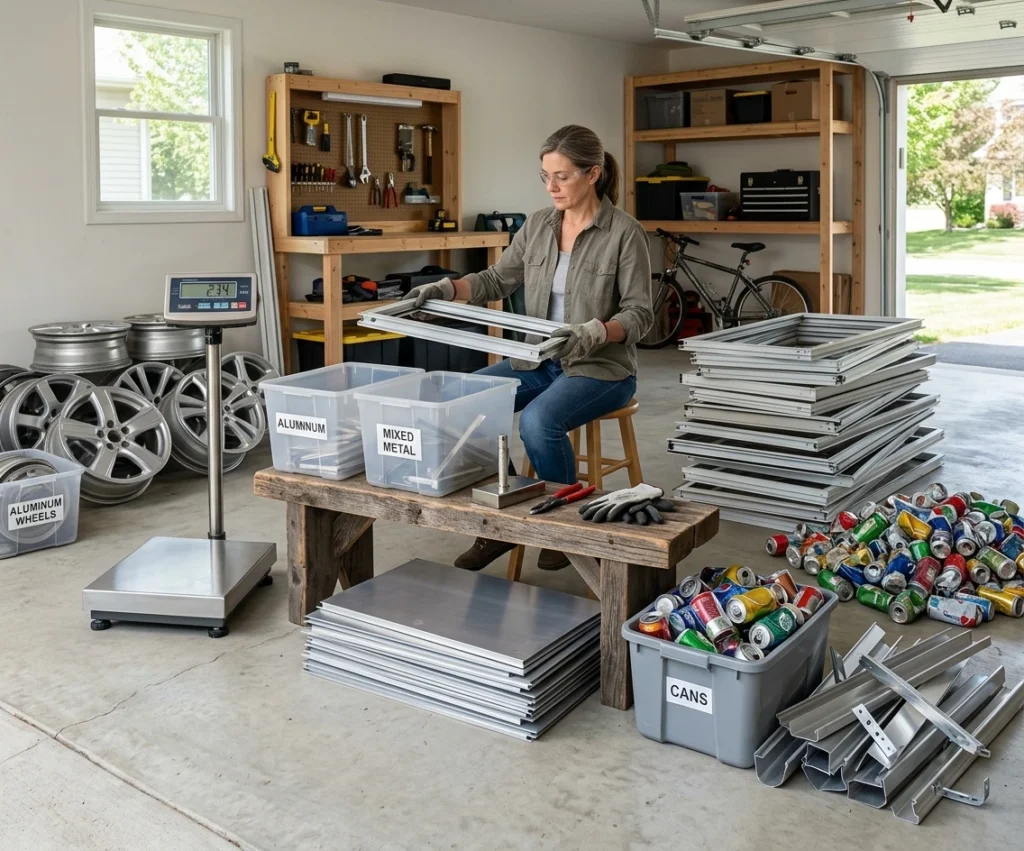
- Sort aluminum by grade before selling.
- Remove steel bolts, screws, and brackets.
- Remove plastic, rubber, and other attachments.
- Keep your aluminum clean and dry.
- Compare prices from multiple scrap yards.
- Sell larger quantities when possible.
Together, these steps require very little extra work but can make a noticeable difference in the amount you walk away with.
Aluminum Scrap Price Calculator
Knowing the current aluminum scrap price is a good starting point, but estimating your payout ahead of time makes the whole process even easier. You can calculate the value of your scrap using a simple formula:
Estimated Value = Weight × Current Price Per Pound
For example, suppose a homeowner replaces old aluminum gutters during a renovation project and collects 80 pounds of clean sheet aluminum. If the local scrap yard pays $0.80 per pound, the estimated value would come out to $64 before any deductions for contamination.
Example 1
- Weight: 25 lbs
- Aluminum Price: $0.80 per lb
- Estimated Value: $20.00
Example 2
- Weight: 100 lbs
- Aluminum Price: $1.00 per lb
- Estimated Value: $100.00
Keep in mind that this is only an estimate — your final payment will still depend on the aluminum grade, its cleanliness, and the buying price offered by your local scrap yard.
How to Choose the Best Scrap Yard
Not every scrap yard pays the same price for aluminum, so taking a few extra minutes to compare buyers can genuinely pay off.
Compare Prices
Call or visit several scrap yards and ask for their current aluminum buying rates before committing to a sale.
Check the Aluminum Grade
Some buyers pay noticeably higher prices for clean extrusion, aluminum wheels, or cast aluminum, so it’s worth asking how they price by grade.
Ask About Bulk Pricing
If you have a large amount of aluminum, ask whether the scrap yard offers better rates for bulk loads.
Read Customer Reviews
Choose a recycling center with a solid reputation for fair pricing and honest weighing practices.
Sell Clean Aluminum
Removing steel, plastic, and rubber parts before selling can meaningfully increase your payout.
Conclusion
One thing that becomes clear when comparing aluminum scrap prices across different markets is that there is rarely a single “correct” price. The amount you receive depends on several factors working together, including aluminum grade, cleanliness, quantity, local demand, and broader market conditions.
The sellers who consistently receive better payouts usually follow the same simple practices: they sort aluminum by grade, remove contaminants where practical, compare offers from more than one scrap yard, and check current market conditions before selling. These steps don’t take much extra effort, but they can make a meaningful difference, especially when selling larger quantities.
If there’s one takeaway from this guide, it’s that understanding how aluminum scrap is valued is just as important as knowing today’s average price. A well-prepared load often earns more than an unsorted one, even when market prices are unchanged.
Because aluminum scrap prices can change frequently, it’s always worth treating published price ranges—including those in this guide—as market estimates rather than guaranteed buying rates. Checking with local recyclers before selling remains the best way to confirm current pricing in your area.
By combining current market information with good preparation and realistic expectations, you’ll be in a much stronger position to get a fair price for your aluminum scrap.
Frequently Asked Questions
What is the current aluminum scrap price?
Aluminum scrap prices change daily, and the amount you receive depends on the aluminum grade, market demand, and your local scrap yard. Clean aluminum usually sells for more than mixed or contaminated scrap.
What type of aluminum is worth the most?
Aluminum wheels and clean aluminum extrusion are usually among the highest-paying aluminum scrap grades, and clean cast aluminum also holds strong market value.
Do aluminum scrap prices change every day?
Yes. Scrap prices shift based on global aluminum markets, local demand, supply, and broader recycling industry conditions.
Is aluminum worth recycling?
Yes. Aluminum is one of the most valuable recyclable metals because it can be recycled repeatedly without losing its quality, and recycling it also saves energy and reduces waste.
Should I separate different aluminum grades?
Yes. Sorting aluminum by grade helps scrap yards process it more efficiently, which often results in a higher payment for you.
How can I get the best price for aluminum scrap?
You can maximize your earnings by sorting different aluminum grades, removing steel, plastic, and rubber, keeping the aluminum clean and dry, comparing prices from multiple scrap yards, and selling larger quantities whenever possible.