
Sapphire Gem Chicken: Complete Breed Guide
Choosing the right chicken breed can be confusing, especially for beginners. Many backyard flock owners want a bird that lays plenty of eggs, stays friendly around people, handles different climates, and is easy to care for.
The Sapphire Gem chicken has become popular because it offers a balance of beauty and productivity. With its unique blue-gray feathers, calm personality, and impressive egg production, this hybrid has quickly become a favorite among backyard chicken keepers.
However, many people still have questions before adding Sapphire Gems to their flock. Are they a real breed? How many eggs do they lay? Are they beginner-friendly? Can they reproduce true to type?
In this complete Sapphire Gem chicken guide, we cover everything you need to know, including their history, appearance, temperament, care requirements, egg production, health, and whether this popular hybrid is the right choice for your backyard flock.
Sapphire Gem Chicken at a Glance
| Trait | Details |
| Type | Hybrid chicken |
| Primary Purpose | Egg production |
| Egg Color | Light brown to brown |
| Eggs Per Year | 250–290 large eggs |
| Weight | Hen: 5–6 lbs, Rooster: 6–8 lbs |
| Temperament | Calm, friendly, curious |
| Broodiness | Low |
| Cold Hardiness | Excellent |
| Heat Tolerance | Good with shade and fresh water |
| Beginner Friendly | Yes |
| Free-Ranging Ability | Excellent |
| Lifespan | Around 6–8 years with proper care |
The Sapphire Gem is a hybrid chicken breed developed to combine desirable traits such as strong egg production, calm temperament, and distinctive blue-gray plumage.
History and Origin of the Sapphire Gem Chicken
The Sapphire Gem chicken has a fairly recent history compared to older heritage breeds. Unlike classic breeds that have been developed over hundreds of years, the Sapphire Gem was created through modern poultry breeding.
Most poultry experts believe the Sapphire Gem originated from breeding programs in the Czech Republic, and although the exact development process has not been fully published, these birds are widely believed to descend from Blue Plymouth Rock and Barred Plymouth Rock breeding stock.
Breeders selected birds with desirable traits over several generations, aiming to produce chickens that could:
- Lay a large number of eggs.
- Stay calm around people.
- Adapt to different climates.
- Display unique blue-gray feathers.
Today, several hatcheries sell Sapphire Gems, although breeding lines may vary slightly between suppliers, which is one reason individual birds can differ in feather color, body shape, and egg production.
Because the Sapphire Gem is a hybrid, it is not recognized as an official breed by organizations such as the American Poultry Association. That doesn’t reduce its value, though, many modern hybrid chickens outperform traditional breeds when it comes to egg production and ease of management.
The Sapphire Gem chicken became widely available through commercial hatcheries, especially Hoover’s Hatchery, which helped popularize this hybrid among backyard chicken owners in the United States.
Their combination of easy care, reliable egg production, and calm temperament has made them especially popular among first-time chicken keepers.
Is the Sapphire Gem a Real Breed?
No. Sapphire Gems are hybrid chickens rather than a standardized breed. They were created by crossing selected breeding lines to combine traits like high egg production, calm temperament, and blue-gray plumage.
Appearance
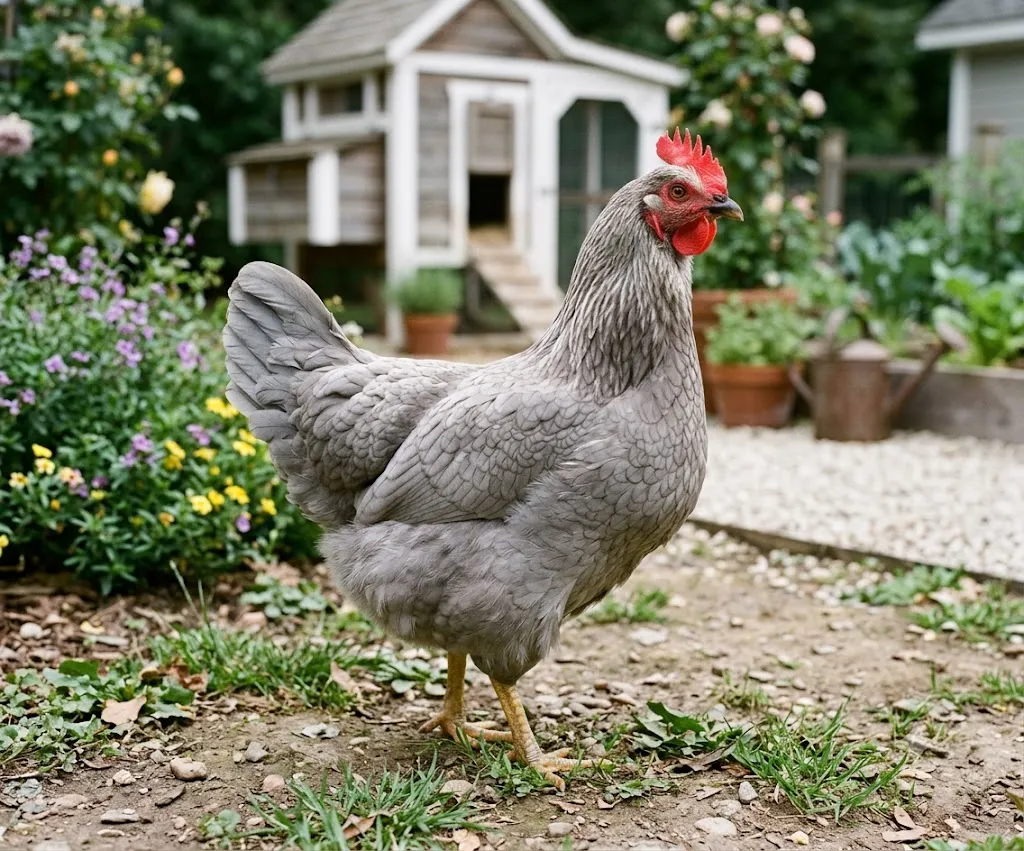
One of the biggest reasons people choose Sapphire Gems is their stunning appearance. Their feathers range from soft blue-gray to lavender-gray, with some birds displaying darker edging around individual feathers for a lightly laced look, while others appear more solid blue depending on their breeding line.
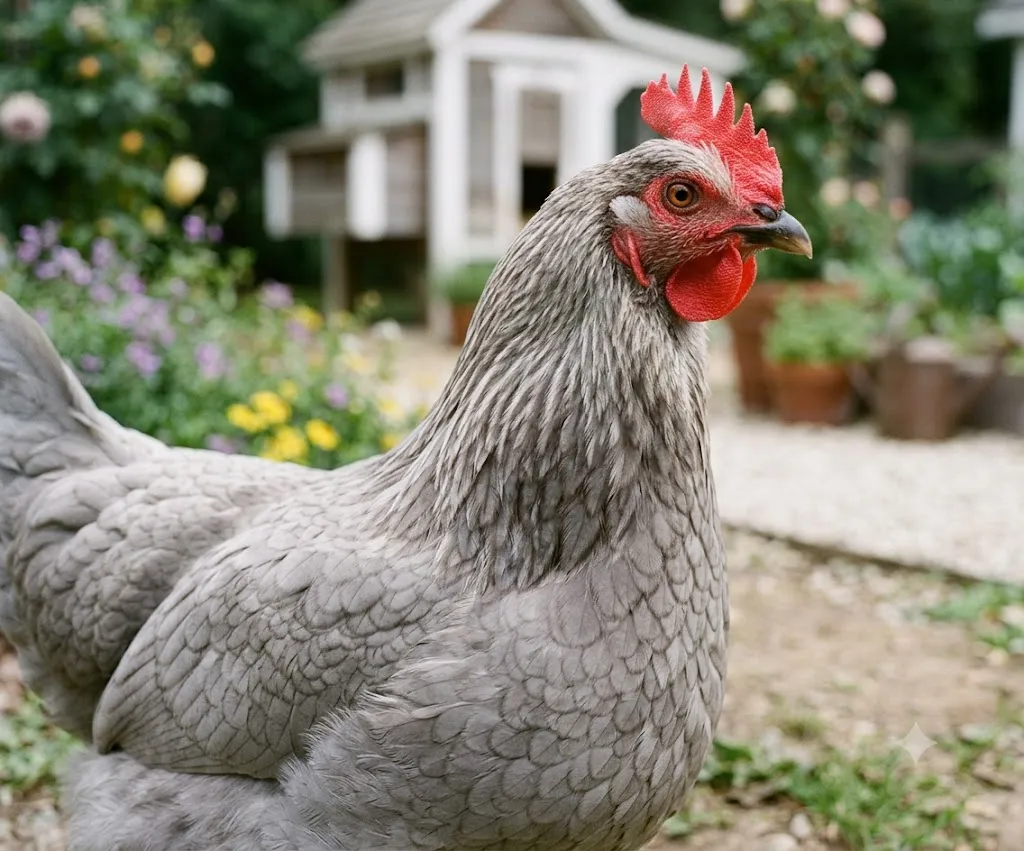
Their plumage often changes slightly as they mature, young chicks usually begin with darker down before developing the soft blue coloring that gives the breed its name.
Most hens have:
- Blue-gray feathers
- Medium-sized single comb
- Bright red comb and wattles
- Yellow legs
- Orange or amber eyes
Roosters often appear darker than hens and may develop more distinct feather patterns. No two birds look exactly alike, and this natural variation adds to their appeal for backyard flock owners.
Sapphire Gem Chick Appearance
Sapphire Gem chicks develop their final feather color gradually as they mature. Young chicks usually have gray or blue-gray down before transitioning into the blue-lavender adult plumage associated with the hybrid.
Because Sapphire Gems are not a standardized pure breed, individual chicks can show natural variation in feather shade and appearance, some birds may mature with lighter lavender tones, while others develop darker blue-gray coloring. Commercial hatcheries that sell Sapphire Gems note that feather color can vary between individual birds because of their hybrid genetics, and this variation is completely normal and is one reason many backyard chicken keepers enjoy raising Sapphire Gems.
Size and Weight
Sapphire Gems are considered medium-sized chickens. Adult hens usually weigh between 5 and 6 pounds, while roosters typically reach 6 to 8 pounds. Their moderate size makes them easy to handle while still being sturdy enough to tolerate different weather conditions.
Because they aren’t overly heavy birds, they remain active throughout the day, enjoying scratching, exploring, and searching for insects around the yard.
Sapphire Gem Chicken Temperament
Temperament is one of the breed’s strongest qualities. Most owners describe Sapphire Gems as friendly, gentle, and easy to manage, and they generally integrate well into mixed flocks and rarely cause problems when enough space and resources are available.
Many backyard keepers also report that these birds become comfortable around people after regular handling, and while individual personalities vary, Sapphire Gems are usually curious rather than fearful. Some hens even enjoy following their owners around the yard, especially when treats are involved, and they tend to remain calm during routine coop activities such as feeding, cleaning, or collecting eggs.
Like all chickens, they establish a pecking order, and some individuals may appear bossy within the flock, especially during the first few weeks after new birds are introduced. This behavior is normal and usually settles once the social order is established. If children help care for your chickens, Sapphire Gems are often considered a suitable choice because of their generally calm nature.
Are Sapphire Gem Chickens Good for Beginners?
Yes. The Sapphire Gem is widely considered one of the best chickens for first-time owners, and several qualities make them beginner-friendly. They are:
- Easy to care for.
- Reliable egg layers.
- Adaptable to different climates.
- Calm around people.
- Good at free-ranging.
- Less likely to become broody than many heritage breeds.
Because they continue laying consistently, new owners often gain confidence quickly while learning basic chicken care. Like every chicken, they still need proper nutrition, clean housing, fresh water, and regular health checks, but they’re generally forgiving birds that adapt well to backyard environments.
Egg Production
One of the biggest reasons people choose Sapphire Gem chickens is their excellent egg production. These hens are productive, dependable, and consistent throughout most of the year, making this hybrid one of the best choices for a backyard flock if fresh eggs are your main goal.
A healthy Sapphire Gem hen usually lays 250 to 290 large brown eggs each year, with many hens producing five to six eggs per week during their peak laying period. Their eggs have smooth brown shells and are often larger than those laid by many heritage breeds.
For families who want a steady supply of backyard eggs, this production level makes Sapphire Gems an attractive option, since a small flock of these hens can provide fresh eggs for regular household use while still being manageable for backyard owners.
While production can vary between birds, proper care makes a noticeable difference, good nutrition, clean water, enough daylight, and a stress-free environment all help hens maintain steady egg production. Unlike some heritage breeds that slow down quickly after the first year, Sapphire Gems often remain productive for several years, although production gradually declines with age.
When Do Sapphire Gem Chickens Start Laying?
Most Sapphire Gem hens begin laying between 18 and 24 weeks of age, with the exact timing depending on several factors, including genetics, nutrition, weather, and daylight hours.
Young hens may lay smaller eggs during their first few weeks, which is completely normal, and as their reproductive system matures, egg size usually increases until they consistently produce large eggs. Some birds start a little earlier, while others take longer, so patience is important, avoid forcing early laying through artificial lighting during the pullet stage, since healthy development should come first.
Most pullets reach reproductive maturity between 18 and 24 weeks, although factors such as nutrition, daylight, and genetics influence the start of their peak laying period.
What Color Eggs Do Sapphire Gems Lay?
Sapphire Gem chickens lay light brown to medium brown eggs. Many first-time owners assume that blue-gray feathers mean blue eggs, but this isn’t the case, feather color and egg color are controlled by different genes.
If you want blue or green eggs, breeds such as Easter Eggers or Ameraucanas are better choices. Sapphire Gems are valued for their dependable production of large brown eggs rather than unusual shell colors.
What Affects Egg Production?
Even the best laying hens need proper care to perform well, and several factors influence how many eggs a Sapphire Gem produces. These include:
- Balanced nutrition
- Fresh, clean water every day
- At least 14 to 16 hours of light during peak production
- Low stress
- A clean and dry coop
- Protection from predators
- Regular health checks
Stress from overcrowding, illness, parasites, or sudden changes in the environment can reduce egg production, though most hens return to normal laying once the problem is resolved.
Molting and Egg Production
Like all chickens, Sapphire Gems go through a yearly molt, during which they shed old feathers and grow new ones. Molting usually happens in late summer or fall, and as the body focuses on growing feathers, egg production often slows down or stops completely. This break is temporary, and once new feathers have grown in, most healthy hens return to laying.
During molt, it helps to increase dietary protein to support feather growth, high-quality poultry feed and protein-rich treats can help birds recover more quickly.
Feeding a Sapphire Gem Chicken
Good nutrition is the foundation of a healthy and productive flock. While Sapphire Gems are hardy birds, they still require a balanced diet at every stage of life.
Feeding Chicks
Newly hatched chicks need a high-quality chick starter feed containing about 20% protein, which supports rapid growth and healthy feather development. Chicks should have:
- Unlimited access to fresh feed
- Clean water available at all times
- A warm brooder
- Chick-sized grit only if treats are offered
Avoid feeding scratch grains or table scraps during the first few weeks, since starter feed provides everything young chicks need.
Feeding Growing Pullets
As chicks mature into pullets, they can transition to a grower feed with a slightly lower protein level, and this stage continues until hens begin laying eggs. Proper nutrition during this period helps develop strong bones, healthy muscles, and a well-functioning reproductive system.
Feeding Laying Hens
Once laying begins, switch to a quality layer feed containing around 16–18% protein and added calcium. Calcium is essential for strong eggshells, and while most commercial layer feeds provide adequate amounts, many chicken keepers also offer free-choice oyster shells. Fresh water remains just as important as feed, since a laying hen can quickly reduce egg production if she becomes dehydrated.
Healthy Treats
Treats should only make up a small part of the diet. Good options include:
- Mealworms
- Black soldier fly larvae
- Leafy greens
- Pumpkin
- Cucumber
- Watermelon
- Berries
- Cooked vegetables
Offer treats in moderation to prevent nutritional imbalances.
Foods to Avoid
Some foods can be harmful to chickens. Avoid feeding:
- Raw potatoes
- Green potato peels
- Chocolate
- Avocado pits and skin
- Moldy food
- Excess salt
- Alcohol
- Caffeine
Keeping harmful foods away from your flock helps prevent illness.
Free-Ranging and Foraging
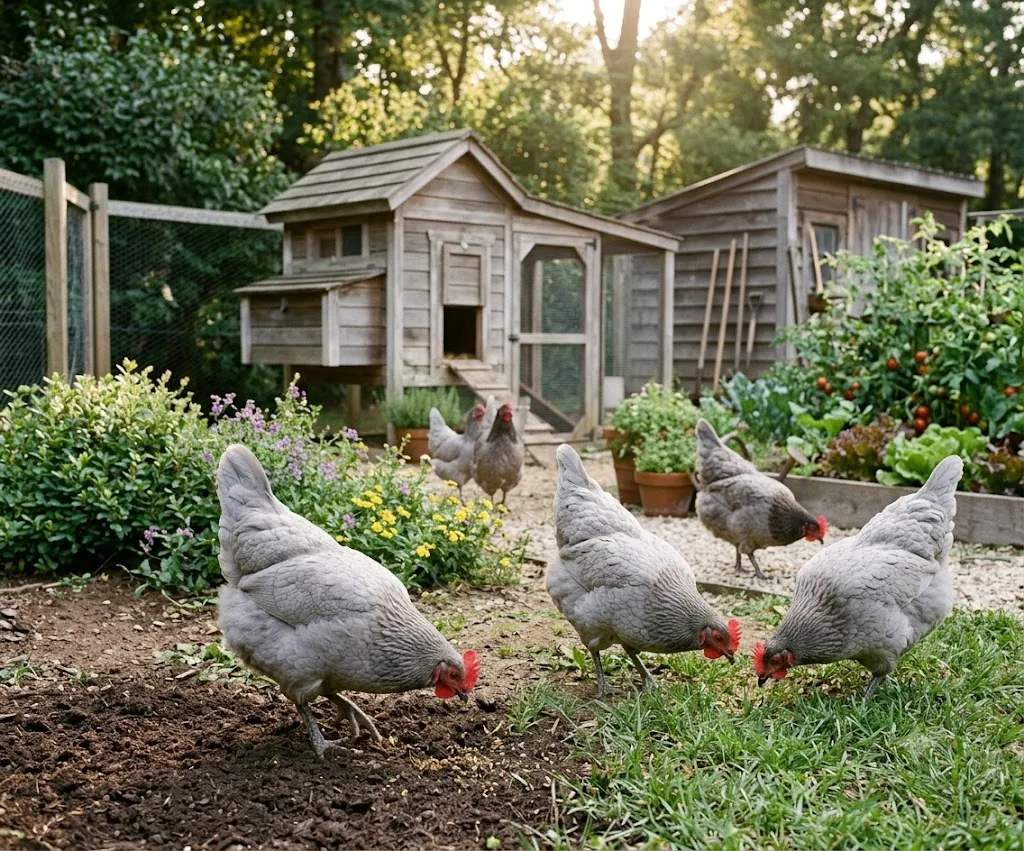
Sapphire Gems are active chickens that enjoy exploring outdoor spaces. They naturally scratch the ground, search for insects, and eat plants they find while roaming — which means vegetable beds need protection, since a curious hen can undo a row of seedlings faster than you’d expect if you’re also growing onions or other shallow-rooted crops.
Benefits of Free-Ranging
Allowing Sapphire Gems to free-range provides several advantages:
- More exercise
- Natural insect hunting
- Mental stimulation
- Reduced boredom
- A more varied diet
Free-ranging can also reduce feed costs because chickens supplement their diet with insects, seeds, and vegetation.
Free-Ranging Risks
Although Sapphire Gems are good foragers, outdoor access also creates risks.
Common predators include:
- Hawks
- Foxes
- Coyotes
- Raccoons
- Dogs
How to Keep Free-Ranging Sapphire Gems Safe
To protect your flock:
- Provide a secure coop at night
- Use predator-resistant fencing
- Supervise free-ranging when possible
- Provide hiding areas such as shrubs or covered runs
Housing Requirements
A comfortable coop plays a major role in keeping Sapphire Gems healthy and productive. These birds don’t require elaborate housing, but they do need enough space to move comfortably.
Coop Space
Provide at least 4 square feet of indoor coop space per bird, and for outdoor runs, allow 8 to 10 square feet per chicken whenever possible. More space helps reduce stress, bullying, and feather pecking.
Nesting Boxes
One nesting box for every three to four hens is usually enough. Place nesting boxes in a quiet, darker area of the coop to encourage hens to lay in the proper location, and replace clean nesting material regularly to keep eggs clean and reduce the risk of disease.
Roosting Bars
Chickens naturally sleep off the ground, so install sturdy roosting bars about 2 to 4 feet above the floor with enough space for every bird. Rounded wooden roosts help protect foot health during colder weather.
Ventilation
Good airflow is one of the most important parts of coop design. Fresh air removes moisture, ammonia, and dust while reducing the risk of respiratory problems, and ventilation openings should allow stale air to escape without creating direct drafts on sleeping birds.
Bedding
Several bedding materials work well, including:
- Pine shavings
- Hemp bedding
- Chopped straw
Keep bedding clean and dry throughout the year, since wet bedding encourages bacteria, parasites, and unpleasant odors.
Are Sapphire Gem Chickens Noisy?
Compared with many active breeds, Sapphire Gems are considered moderately quiet. Hens usually make normal laying sounds after producing an egg but rarely become excessively loud. Roosters naturally crow regardless of breed, so noise levels increase if males are kept, if you live in a suburban neighborhood, a flock consisting only of hens is generally much quieter than one with roosters.
Do Sapphire Gems Get Along With Other Chickens?
In most cases, yes. Their calm temperament makes them suitable for mixed flocks, and they usually coexist well with other friendly breeds when introductions are done gradually.
As with any flock, chickens establish a pecking order, and minor chasing and pecking are normal during this process. Providing enough feeders, waterers, nesting boxes, and space helps reduce competition and bullying, and healthy social interactions allow Sapphire Gems to settle into the flock and maintain their calm nature.
Common Health Issues
Sapphire Gem chickens are generally healthy birds, and their hybrid background often gives them strong overall health and good resilience. However, like all chickens, they can still develop illnesses if they don’t receive proper care.
The best way to keep your flock healthy is through prevention, a clean coop, balanced nutrition, fresh water, and regular health checks can reduce the risk of many common problems. Watch your birds every day, since healthy chickens are active, alert, and interested in food, and a bird that suddenly becomes quiet, stops eating, or separates itself from the flock may need immediate attention.
Below are some of the most common health problems that can affect Sapphire Gem chickens.
External Parasites
External parasites live on the bird’s skin and feathers. The most common include:
- Mites
- Lice
- Northern fowl mites
Signs include:
- Feather loss
- Frequent scratching
- Dirty vent feathers
- Pale comb
- Reduced egg production
Inspect feathers regularly, especially around the vent and under the wings. Keeping the coop clean and providing dust bathing areas helps reduce parasite problems.
Internal Parasites
Worms can affect chickens that spend time outdoors. Common internal parasites include:
- Roundworms
- Cecal worms
- Capillary worms
Symptoms may include:
- Weight loss
- Poor feather quality
- Diarrhea
- Lower egg production
Routine flock monitoring and veterinary advice help determine whether treatment is necessary.
Respiratory Diseases
Poor ventilation increases the chance of respiratory illness. Common symptoms include:
- Sneezing
- Coughing
- Nasal discharge
- Swollen eyes
- Difficulty breathing
Proper airflow is one of the best ways to prevent respiratory problems. Avoid overcrowding and keep ammonia levels low by replacing wet bedding regularly.
Bumblefoot
Bumblefoot is a bacterial infection of the foot that often develops after cuts or pressure injuries. Signs include:
- Swollen foot
- Limping
- Dark scab on the footpad
Smooth roosts and clean flooring help prevent this condition.
Like other backyard chickens, Sapphire Gems can also be affected by diseases such as Marek’s disease. Vaccination, clean housing, and buying chicks from reputable hatcheries can help reduce health risks.
How to Keep Sapphire Gem Chickens Healthy
A simple daily routine goes a long way. Healthy flocks usually receive:
- Fresh water every day
- High-quality layer feed
- Dry bedding
- Good ventilation
- Enough space
- Predator protection
- Routine observation
Many health problems become easier to treat when they’re noticed early.
Lifespan
A well-cared-for Sapphire Gem chicken typically lives 6 to 8 years, and some birds may live even longer when protected from predators and serious disease. Although hens continue laying for several years, egg production naturally declines with age, and many owners keep older hens because they remain friendly pets and continue contributing to the flock.
Factors affecting lifespan:
- Quality nutrition
- Clean housing
- Predator protection
- Regular health checks
Do Sapphire Gem Chickens Go Broody?
Broodiness occurs when a hen wants to sit on eggs and hatch chicks, and Sapphire Gems are not known for becoming broody very often. This is actually one reason they produce so many eggs, instead of spending weeks sitting in a nest, most hens continue laying consistently throughout the season.
If you want chickens that naturally hatch chicks, other breeds such as Silkies, Cochins, or Orpingtons are usually better choices.
Can Sapphire Gem Chickens Breed Naturally?
Yes. Like any chicken, Sapphire Gems can mate and produce chicks. However, there’s an important difference between producing chicks and producing more Sapphire Gems.
Why Sapphire Gems Do Not Breed True
This is one of the most misunderstood topics about the breed. Sapphire Gems are hybrid chickens, developed by crossing carefully selected breeding lines to combine desirable traits such as:
- High egg production
- Calm temperament
- Blue-gray plumage
- Strong overall health
When two hybrid birds are bred together, their chicks inherit different combinations of genes, and as a result, the offspring may show wide variation in:
- Feather color
- Egg production
- Body size
- Temperament
- Growth rate
Some chicks may resemble one parent more than the other, while others may not resemble a Sapphire Gem at all. This is why hatcheries maintain controlled breeding programs instead of simply breeding Sapphire Gems together generation after generation.
Sapphire Gem chickens are usually purchased as chicks from poultry hatcheries because they are hybrid birds that require controlled breeding programs.
Understanding Hybrid Vigor
One advantage of hybrid chickens is something called hybrid vigor, also known as heterosis, which occurs when two carefully selected breeding lines are crossed. The offspring often benefit from:
- Better overall health
- Improved egg production
- Strong growth
- Good adaptability
This is one reason hybrid laying hens are so popular among backyard chicken keepers and commercial egg producers.
Can You Hatch Sapphire Gem Eggs?
Yes, fertile Sapphire Gem eggs can hatch if they’ve been fertilized by a rooster, though the chicks will not be genetically identical to their parents. If your goal is to maintain consistent feather color and laying performance, purchasing chicks from a reputable hatchery is usually the better option.
Advantages of Raising Sapphire Gem Chickens
Many chicken keepers choose Sapphire Gems because they combine beauty with productivity. Some of their biggest advantages include:
- Excellent egg production
- Friendly temperament
- Beginner-friendly
- Beautiful blue-gray plumage
- Good cold hardiness
- Adaptable to warm climates
- Strong free-ranging ability
- Low broodiness
- Active foragers
- Suitable for mixed flocks
These qualities make them one of the most practical choices for backyard poultry keepers.
Is the Sapphire Gem Chicken Easy to Care For?
For most backyard chicken keepers, the answer is yes. Their calm personality, strong egg production, climate adaptability, and straightforward care requirements make them one of the easiest hybrid chickens to manage. As long as they receive quality feed, clean housing, fresh water, and routine health care, Sapphire Gems reward their owners with years of dependable egg production and enjoyable companionship.
Sapphire Gem Chicken Compared to Other Popular Chicken Breeds
Choosing the right chicken depends on your goals. Some people want the highest egg production, while others want colorful eggs, friendly pets, or birds that can hatch their own chicks. The Sapphire Gem is a strong all-around choice, but comparing it with similar breeds helps you decide if it fits your flock.
Where to Buy Sapphire Gem Chickens
Sapphire Gem chickens are usually purchased as chicks from poultry hatcheries rather than bred at home. Because Sapphire Gems are hybrid chickens, hatcheries use controlled breeding programs to produce birds with desirable traits such as blue-gray feathers, calm personalities, and strong egg production.
Common sources for Sapphire Gem chicks include:
- Poultry hatcheries
- Local farm supply stores during chick season
- Backyard poultry suppliers
Spring is usually the most popular time to purchase chicks because many chicken keepers start new flocks during this season. When buying Sapphire Gem chicks, choose a reputable supplier that provides:
- Healthy active chicks
- Clear breed information
- Safe shipping practices
- Optional vaccination choices
Availability can change quickly because Sapphire Gems are a popular choice among backyard chicken owners.
Sapphire Gem vs Blue Plymouth Rock
The Blue Plymouth Rock is one of the breeds commonly associated with Sapphire Gem genetics.
| Feature | Sapphire Gem | Blue Plymouth Rock |
| Type | Hybrid | Pure breed |
| Egg Production | 250–290 eggs/year | Around 200–280 eggs/year |
| Egg Color | Brown | Brown |
| Temperament | Calm and friendly | Friendly and gentle |
| Breeding | Does not breed true | Breeds true |
| Purpose | Mainly eggs | Dual purpose |
Sapphire Gem vs Sapphire Splash
These two chickens are often confused because of their similar names.
| Feature | Sapphire Gem | Sapphire Splash |
| Feather Color | Blue-gray | White with blue-gray splashes |
| Type | Hybrid | Hybrid |
| Egg Color | Brown | Brown |
| Purpose | Egg production | Egg production |
| Appearance | Solid blue appearance | Spotted or splash pattern |
Both are attractive birds with good laying ability, and the main difference is their feather pattern.
Sapphire Gem vs Easter Egger
Easter Eggers are popular because of their colorful eggs.
| Feature | Sapphire Gem | Easter Egger |
| Eggs | Brown | Blue, green, pink, or tan |
| Production | Very high | Moderate to high |
| Temperament | Calm | Friendly but variable |
| Appearance | Blue-gray feathers | Many colors |
| Broodiness | Low | Moderate |
Choose a Sapphire Gem if egg quantity is your priority, or choose an Easter Egger if unique egg colors matter more to you.
Sapphire Gem vs Australorp
Australorps are famous for excellent egg production and gentle personalities.
| Feature | Sapphire Gem | Australorp |
| Type | Hybrid | Pure breed |
| Eggs/year | 250–290 | Around 250 |
| Size | Medium | Larger |
| Meat Use | Limited | Better dual purpose |
| Temperament | Gentle | Very calm |
Is the Sapphire Gem Chicken Right for You?
The Sapphire Gem is a great choice for many backyard chicken keepers, but the right breed depends on your goals.
Sapphire Gems Are a Good Choice If You Want:
A High-Producing Egg Layer. If fresh eggs are your main goal, Sapphire Gems are excellent performers, and their ability to produce hundreds of eggs each year makes them valuable for families who consume eggs regularly.
A Beginner-Friendly Chicken. New chicken owners often appreciate their easy-going personality. They are generally calm, adaptable, easy to handle, and simple to manage.
A Beautiful Backyard Bird. Their blue-gray feathers make them stand out in any flock, and many owners choose them simply because they enjoy having attractive birds around their property.
A Climate Adaptable Chicken. Sapphire Gems can handle different weather conditions when properly cared for, performing well in both cold and warm regions.
Frequently Asked Questions
Are Sapphire Gem chickens a real breed?
No. Sapphire Gems are hybrid chickens rather than a standardized breed, created through selective breeding to combine desirable traits like egg production, temperament, and appearance.
How many eggs do Sapphire Gem chickens lay?
A healthy Sapphire Gem hen can lay around 250 to 290 large brown eggs per year, with production depending on genetics, nutrition, age, and living conditions.
What color eggs do Sapphire Gem chickens lay?
Sapphire Gems lay brown eggs. Their blue-gray feathers do not mean they produce blue eggs.
Are Sapphire Gem chickens friendly?
Yes. Most Sapphire Gems have calm and friendly personalities and usually do well around people and mixed chicken flocks, though every chicken still has its own personality.
Do Sapphire Gem chickens go broody?
No. Sapphire Gems are not known for frequent broodiness, which allows them to focus more energy on egg production.
How long do Sapphire Gem chickens live?
Most Sapphire Gems live around 6 to 8 years with proper care, though some may live longer depending on health, environment, and predator protection.
Can Sapphire Gem chickens fly?
Yes. Like most chickens, Sapphire Gems can fly short distances and may fly over low fences, especially when startled or trying to reach food, so a secure run is recommended.
Are Sapphire Gem chickens noisy?
Hens are usually not considered overly noisy, making normal chicken sounds and occasionally becoming louder after laying eggs. Roosters are naturally much louder because of crowing.
Conclusion
The Sapphire Gem chicken is popular for a reason. It combines three traits many backyard chicken owners want: attractive appearance, friendly temperament, and reliable egg production.
While no chicken breed is perfect, Sapphire Gems are a strong choice for beginners and experienced keepers who want productive laying hens without complicated care requirements.
Their hybrid genetics are important to understand. They do not breed true, so owners looking to create a stable breeding line may prefer heritage breeds. However, for those wanting fresh brown eggs, an active backyard bird, and a colorful addition to their flock, Sapphire Gems are an excellent option.
With proper nutrition, safe housing, and regular care, these blue-gray hens can become valuable and enjoyable members of a backyard flock for many years.