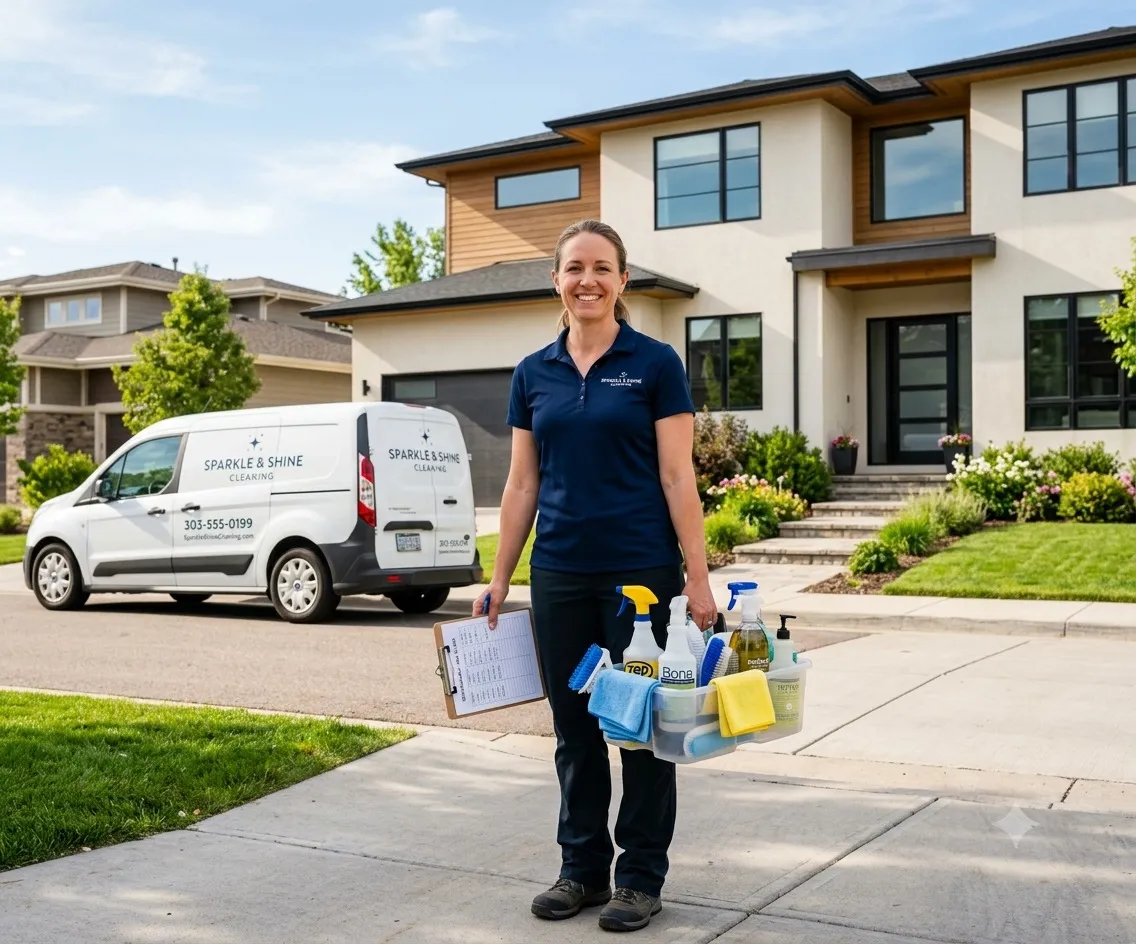
How to Start a Cleaning Business: A Complete Beginner’s Guide
Starting a cleaning business sounds simple until you begin asking the real questions.
How much money do I need? Do I need a license? What should I charge? Where will I find my first customers? And what if I make an expensive mistake before I even land my first client?
These are the same questions almost every first-time business owner asks. The good news is that a cleaning business doesn’t require years of experience or a large investment to succeed. What it does require is a clear plan, realistic expectations, and the willingness to learn one step at a time.
One of the biggest mistakes new entrepreneurs make is rushing into the business without understanding the basics. Some spend too much on equipment they don’t need. Others charge prices that barely cover their costs or try to offer every cleaning service instead of focusing on one profitable niche. These mistakes are common—but they’re also avoidable.
After analyzing successful cleaning businesses and studying how experienced owner-operators build profitable companies, one pattern becomes clear: the businesses that grow sustainably start with strong foundations. They understand their market, price their services correctly, deliver consistent quality, and earn customer trust through professionalism rather than low prices alone.
Whether your goal is to replace a full-time income, earn extra money on weekends, or build a company that eventually employs a team, this guide will walk you through every stage of the journey. From choosing the right niche and registering your business to pricing your services, finding your first clients, and creating repeat customers, you’ll learn the practical steps that experienced cleaning professionals recommend for building a business that lasts.
Quick Answer: How to Start a Cleaning Business
| Step | What to Do |
| 1 | Choose your cleaning niche (residential or commercial). |
| 2 | Create a simple business plan. |
| 3 | Register your business and obtain any required licenses. |
| 4 | Purchase insurance and open a business bank account. |
| 5 | Buy essential cleaning equipment and supplies. |
| 6 | Set profitable prices based on your costs. |
| 7 | Create your website and Google Business Profile. |
| 8 | Get your first clients through referrals and local marketing. |
| 9 | Deliver excellent service and collect reviews. |
| 10 | Build systems and hire when demand consistently exceeds your capacity. |
Your Blueprint for a Successful Cleaning Business
Every successful business starts with a business plan. Before you buy your first bottle of cleaning solution or print a single business card, take time to understand exactly how your company will operate.
Many beginners assume cleaning is just about mops and vacuums, but in reality, customers are paying for reliability, professionalism, and peace of mind. They want someone they can trust to show up on time and treat their home or workplace with care — which is exactly why your earliest decisions matter so much.
Before moving forward, ask yourself a few important questions:
- What type of cleaning services will you offer?
- Who are your ideal customers?
- Will you work alone or hire employees?
- How much money can you invest?
- What are your long-term goals?
Your answers to these questions will shape every part of your business, from pricing and marketing to equipment and staffing decisions.
Rather than trying to serve everyone, focus on building a business that solves a specific problem for a specific group of customers. This approach makes it easier to stand out in a competitive market and simplifies your marketing considerably. Of course, as your business grows, you’ll always have room to expand your services later on.

Finding Your Niche and Crafting a Business Plan
One of the biggest mistakes new business owners make is trying to offer every cleaning service they can think of right from the start.
A smarter strategy is to choose a niche — a specific type of customer or cleaning service that matches your skills, experience, and local demand. When you specialize, you become known for solving a particular problem rather than competing head-to-head with every cleaning company in your area.
For example, cleaning a family home is a very different job from cleaning a medical office or a large warehouse. Each type of client comes with its own expectations, schedules, equipment needs, and cleaning standards, so choosing your niche early on will help you make smarter business decisions and attract the right customers from day one.
Identifying Your Ideal Client
Start by thinking carefully about the people or businesses you actually want to serve. Some of the most common cleaning business niches include:
- Residential house cleaning
- Apartment cleaning
- Office cleaning
- Commercial cleaning
- Airbnb and vacation rental cleaning
- Move-in and move-out cleaning
- Post-construction cleaning
- Window cleaning
- Carpet and upholstery cleaning
- Green or eco-friendly cleaning
- Medical and dental office cleaning
Each of these niches comes with its own set of benefits. Residential cleaning tends to be the easiest option for beginners since startup costs are low and demand stays steady year-round. Commercial cleaning, on the other hand, often leads to recurring contracts, larger projects, and more predictable monthly income. Vacation rental cleaning can grow quickly in tourist-heavy areas, since hosts rely on dependable cleaners between guest stays. Medical cleaning typically requires additional training, but it usually pays higher rates because of the strict sanitation standards involved.
Before settling on a niche, take time to research your local market by asking yourself a few key questions:
- Which services are already popular?
- Where is demand growing?
- Which competitors are missing opportunities?
- What type of customer would you enjoy working with?
Choosing the right niche gives you the foundation to build a stronger reputation and charge higher prices as your expertise grows.
Residential Cleaning vs. Commercial Cleaning: Which Is Right for You?
One of the first major decisions you’ll face is whether to focus on residential or commercial cleaning. Both paths can be profitable, but they serve different types of customers and call for different approaches.
Residential cleaning involves cleaning private homes, apartments, and vacation rentals, and it’s usually the easiest starting point for beginners since startup costs are lower, equipment needs are simpler, and you can often work standard daytime hours. Commercial cleaning, by contrast, focuses on offices, retail stores, schools, medical facilities, and other business properties. These jobs tend to involve larger spaces, recurring contracts, and evening or weekend schedules — and while commercial cleaning can generate higher revenue, it may also require additional insurance, specialized equipment, and stricter cleaning standards.
| Residential Cleaning | Commercial Cleaning |
| Homes and apartments | Offices and businesses |
| Lower startup costs | Higher earning potential |
| Easier for beginners | More complex projects |
| Flexible daytime schedule | Often evening or overnight work |
| Individual homeowners | Business owners and property managers |
Crafting a Winning Business Plan
You don’t need a complicated business plan to get started — a simple one-page plan is more than enough for most beginners, as long as it answers a few core questions.
What services will you offer?
List every cleaning service you plan to provide, and be specific enough that customers understand exactly what’s included.
Who are your target customers?
Define your ideal clients based on factors like:
- Homeowners
- Property managers
- Small businesses
- Corporate offices
- Airbnb hosts
- Real estate agents
Knowing your audience will make it much easier to build effective marketing campaigns down the line.
How will you make money?
Decide whether you’ll charge:
- Per hour
- Per visit
- Per room
- Per square foot
- Monthly contracts
Whichever method you choose, your pricing should cover labor, supplies, transportation, insurance, taxes, and profit.
What are your startup costs?
Estimate expenses such as:
- Business registration
- Insurance
- Cleaning equipment
- Supplies
- Marketing
- Transportation
- Software
- Uniforms
Understanding your startup budget upfront helps you avoid unpleasant financial surprises later.
How will you find customers?
Every cleaning business needs a marketing plan, so think carefully about how you’ll attract your first clients. Popular methods include:
- Google Business Profile
- Local SEO
- Social media
- Referral programs
- Flyers
- Networking
- Facebook community groups
- Real estate partnerships
Keep in mind that a business plan isn’t just for banks or investors — it’s a roadmap that keeps you focused as your company grows
Why Starting as a Solo Cleaner Is Often the Best Choice
Many successful cleaning businesses begin with just one person, and there’s a good reason for that. Starting as a solo cleaner keeps your costs low and gives you the chance to learn every part of the business before you bring on employees.
Working alone also helps you sharpen your cleaning speed, understand customer expectations, and develop efficient systems along the way. Every home or office you clean teaches you something new about time management, pricing, and customer service — lessons that are much harder to learn secondhand.
Once your schedule is consistently full and your profits are stable, you can start hiring employees or subcontractors. By that point, you’ll have a much clearer understanding of your business and can train new team members using methods you’ve already tested in the field.
Starting small doesn’t limit your growth — if anything, it creates a stronger foundation for building a successful cleaning company over time.
Before you bring on any employees, spend time working in the business yourself. Cleaning homes or offices firsthand gives you a real feel for customer expectations, job timing, and cleaning techniques, and it also helps you identify which tools and systems actually work best. Once you’ve developed an efficient workflow and built a steady client base, you’ll be in a much stronger position to train employees and expand with confidence.
If you’ve already worked as a housekeeper, janitor, hotel cleaner, or commercial cleaner, you already have valuable, transferable skills. Starting your own business lets you put that experience to work while building your own client base — and keeping more of the income you earn.
Making It Official: Licenses, Insurance, and Legal Must-Haves
Once you’ve decided what type of cleaning business you want to start, the next step is making it official. This part may not be the most exciting, but it’s one of the most important, since running a registered business protects you, builds trust with customers, and sets you up for long-term growth. Many homeowners, property managers, and commercial clients specifically prefer working with licensed and insured cleaning companies because they know their property is protected.
The good news is that setting up a cleaning business is fairly simple, and in most cases you can complete the basic registration process within just a few days. Here’s a closer look at the key legal steps involved.
Registering Your Business
The first step is choosing a business name that’s easy to remember, simple to spell, and clearly communicates what your business does. Before locking it in, check that the name is available in your state or country, and confirm that a matching website domain and social media usernames are also up for grabs.
Once you’ve settled on a name, register your business with the appropriate local or state authority. Many new cleaning business owners begin as a sole proprietorship since it’s inexpensive and easy to manage, later transitioning to a Limited Liability Company (LLC) or another structure for added legal protection as the business grows. If you plan to operate under a business name instead of your own legal name, you may also need to register a “Doing Business As” (DBA) name, depending on your local laws.
Registering your business gives your company a professional identity and allows you to open a business bank account, apply for permits, and sign contracts with clients with confidence.
Choosing the Right Business Structure
Your business structure affects your taxes, personal liability, and day-to-day operations, so it’s worth understanding your options before you commit.
Sole Proprietorship
A sole proprietorship is the easiest and least expensive option for beginners. You own the business, make all the decisions, and report business income on your personal tax return, which makes this structure a natural fit if you’re starting out solo on a small budget. That said, there’s one important drawback: your personal assets and business assets are legally connected, so if your business runs into legal or financial trouble, your personal property could also be at risk.
Limited Liability Company (LLC)
Many small business owners choose an LLC because it offers stronger protection. An LLC separates your personal assets from your business assets, meaning your home, savings, and personal property have greater protection if your business faces a lawsuit or debt. An LLC also tends to look more professional when working with commercial clients. Although registration costs are higher than a sole proprietorship, many business owners feel the extra protection is well worth the investment.
Corporation
Corporations are usually best suited to larger cleaning companies planning to hire many employees, open multiple locations, or attract outside investors. They come with more paperwork, accounting, and legal compliance, so most beginners won’t need this structure when starting their first cleaning business.
If you’re still unsure which option fits your situation, it’s worth speaking with a local accountant or business advisor before you register.
| Business Structure | Best For | Liability Protection | Setup Complexity |
| Sole Proprietorship | Solo cleaners starting out | Low | Easy |
| LLC | Small businesses planning to grow | High | Moderate |
| Corporation | Large cleaning companies | High | Advanced |
Your choice should ultimately match your business goals, budget, and local legal requirements. If you’re unsure which structure is right for you, consult an accountant or business attorney before registering your company.
Apply for an EIN and Understand Your Tax Responsibilities
Depending on your country, you may need a business tax identification number. In the United States, many cleaning businesses apply for an Employer Identification Number (EIN), which is used for tax reporting and is often required if you hire employees or open a business bank account. Even if you work alone, having an EIN can help keep your personal and business finances cleanly separated.
It’s also worth understanding your local tax obligations early on. Depending on where you operate, you may need to:
- Collect sales tax on cleaning services
- Pay income tax
- File quarterly tax returns
- Keep accurate financial records
- Report payroll taxes if you hire employees
Since tax rules vary significantly by location, check your local government website or speak with a qualified tax professional before launching your business.
Get the Right Business Insurance
Insurance protects your business from the unexpected. Even experienced cleaners can accidentally damage expensive furniture, break valuable items, or cause water damage while working, and without insurance, you’d likely have to cover those costs out of pocket. The right coverage protects both you and your clients.
General Liability Insurance
General liability insurance is one of the most important policies a cleaning business can carry. It can help cover costs related to property damage, customer injuries, legal claims, and accidental damage caused during cleaning. Many commercial clients will ask for proof of insurance before they’ll even sign a contract.
Workers’ Compensation Insurance
If you hire employees, you may be legally required to carry workers’ compensation insurance. This policy helps cover medical expenses and lost wages if an employee is injured on the job, though requirements vary by state and country, so it’s worth checking your local regulations.
Commercial Vehicle Insurance
If you use a vehicle for business purposes, your personal auto insurance may not offer enough coverage. Commercial vehicle insurance protects your business while you’re traveling between cleaning jobs — and taking the time to choose the right insurance now can save you thousands of dollars later.
Check Your Licenses and Permits
Many cleaning businesses don’t need a special cleaning license, but depending on where you operate, your city, county, or state may require a general business license, local operating permits, sales tax registration, environmental permits for certain chemicals, or waste disposal permits for specialized cleaning services.
Requirements can shift depending on where you live and the type of cleaning services you offer — for example, companies providing medical cleaning or hazardous waste removal often need additional certifications and training. Always verify local regulations before accepting your first client.
Open a Business Bank Account
Keeping your business finances separate from your personal finances makes accounting significantly easier. A dedicated business bank account helps you track income, manage expenses, prepare tax returns, build business credit, and present a more professional image overall. It also makes it much easier to see how much profit your business is actually making.
Whenever possible, use a business debit or credit card for company purchases instead of dipping into your personal accounts. Good financial habits from day one will save you time and stress as your business grows.
Create Professional Client Contracts
A written contract protects both you and your customer by clearly spelling out what services you’ll provide and what the customer should expect. A professional cleaning contract should include:
- Services included
- Services not included
- Cleaning schedule
- Pricing
- Payment terms
- Cancellation policy
- Rescheduling policy
- Satisfaction guarantee
- Liability terms
Clear contracts go a long way toward reducing misunderstandings and building trust, so before starting any new job, take a moment to review the agreement with your client so both sides fully understand their responsibilities.
Assembling Your Team and Toolkit
Your success depends on more than just cleaning skills — the equipment you use and the people you hire will directly shape the quality of your service.
Many successful cleaning businesses start with one person doing all the work, which allows the owner to learn the business, refine their cleaning techniques, and understand customer expectations before bringing anyone else on board. Whether you plan to work alone or build a team eventually, investing in quality tools from the start will make every job faster and more professional.
Curating Your Essential Equipment
You don’t need expensive equipment to get started — instead, focus on buying reliable tools that can stand up to daily use. Here are the basic supplies every cleaning business should have:
Cleaning Equipment Checklist
- Commercial vacuum cleaner
- Microfiber cloths
- Mop and bucket
- Spray bottles
- Dusting tools
- Scrub brushes
- Toilet brush
- Sponges
- Squeegee
- Extension pole
- Cleaning caddy
- Step ladder
- Trash bags
- Protective gloves
- Face masks
- Shoe covers
You’ll also need cleaning products suited to different surfaces, including:
- All-purpose cleaner
- Glass cleaner
- Bathroom cleaner
- Kitchen degreaser
- Floor cleaner
- Wood-safe cleaner
- Stainless steel cleaner
- Disinfectant
- Air freshener
Buying quality equipment may cost a bit more upfront, but durable tools tend to last longer and deliver noticeably better cleaning results.
Hiring Your First Cleaning Professionals
Many business owners start out alone, and working solo allows you to build real experience, develop cleaning systems, and get a feel for how long each job actually takes. Once your schedule becomes full, though, it may be time to bring on some help.
Look for people who are reliable, honest, friendly, detail-oriented, physically fit, and willing to learn. Remember that your employees represent your business every time they step into a customer’s home or office, so take the time to interview candidates carefully and run background checks whenever possible. A trustworthy team will help you earn repeat business and positive reviews over time.
Training for Excellence and Safety
Good training is what creates consistent results. Every cleaner on your team should fully understand your cleaning process before working directly with clients. Training should cover:
- Proper cleaning techniques
- Safe chemical handling
- Equipment use
- Customer service
- Time management
- Workplace safety
- Personal hygiene
- Emergency procedures
Using cleaning checklists can also improve overall quality, since a checklist ensures every room gets cleaned the same way, every time. It also helps new employees follow your standards without missing important tasks — and consistency like this is one of the biggest reasons customers stick with the same cleaning company long-term. The more organized your systems become, the easier it will be to grow your business without sacrificing service quality.
With your business legally registered, properly insured, and equipped with the right tools and systems, you’re ready for the next stage: learning how to price your services correctly, attract your first customers, and build a steady stream of recurring income.
Pricing Your Services and Winning Your First Clients
Setting the right price is one of the most important parts of starting a cleaning business. Your prices need to stay competitive, but they also need to cover your costs and leave room for genuine profit.
Many new business owners make the mistake of charging too little, hoping lower prices will attract more customers. While this can work in the short term, it often leads to burnout and thinner profits down the road. Instead of competing on price alone, focus on delivering excellent value — customers are often willing to pay more for reliable service, consistent quality, and clear communication. A well-planned pricing strategy helps you earn more while building a business that actually lasts.
How to Price a Cleaning Job
There’s no single pricing method that works for every cleaning business — the right approach depends on the type of cleaning service you provide, your location, and your target customers. Most cleaning businesses rely on one or more of the following pricing methods.
Hourly Pricing
With hourly pricing, you charge customers based on the time spent cleaning. This method works well for one-time cleaning jobs, deep cleaning, homes with unknown conditions, and special cleaning projects. Although hourly pricing is simple to apply, many experienced cleaners eventually switch to flat-rate pricing because customers tend to prefer knowing the total cost before work begins.
Flat-Rate Pricing
Flat-rate pricing means charging one fixed price for the entire job, which is popular because customers know exactly what they’ll pay upfront. It also rewards efficiency — as your cleaning skills improve, you can complete jobs faster while still earning the same amount. Many residential cleaning companies use flat-rate pricing for their recurring customers.
Per Square Foot Pricing
Commercial cleaning companies often charge by square footage, and this method works particularly well for office buildings, retail stores, warehouses, medical facilities, and schools. Since larger spaces usually require different equipment and more labor, your pricing should reflect the size and complexity of the property.
Monthly Service Contracts
Many commercial clients prefer monthly contracts. Instead of billing after every visit, you charge one monthly fee based on the agreed cleaning schedule. Monthly contracts provide predictable income, better cash flow, long-term customer relationships, and easier financial planning — making recurring contracts one of the best ways to build a stable cleaning business.
Example: How to Price a Commercial Cleaning Contract
Commercial cleaning prices depend on several factors, including the size of the building, the cleaning frequency, labor costs, and the services included. For example, imagine you’re preparing a quote for a 5,000-square-foot office that needs cleaning three evenings per week.
| Expense | Monthly Estimate |
| Labor | $1,500 |
| Cleaning supplies | $150 |
| Transportation | $100 |
| Equipment maintenance | $75 |
| Desired profit | $675 |
| Estimated Monthly Quote | $2,500 |
This example is only a starting point. Always calculate your own labor, travel expenses, supply costs, and desired profit margin before preparing a quote, since every commercial property has different cleaning requirements — avoid relying on one standard price for every job.
Calculate Your Costs Before Setting Prices
Never guess your prices. Before creating your price list, calculate every expense involved in completing a job, including:
- Labor
- Cleaning supplies
- Equipment maintenance
- Fuel and transportation
- Insurance
- Business licenses
- Taxes
- Marketing
- Office expenses
- Desired profit
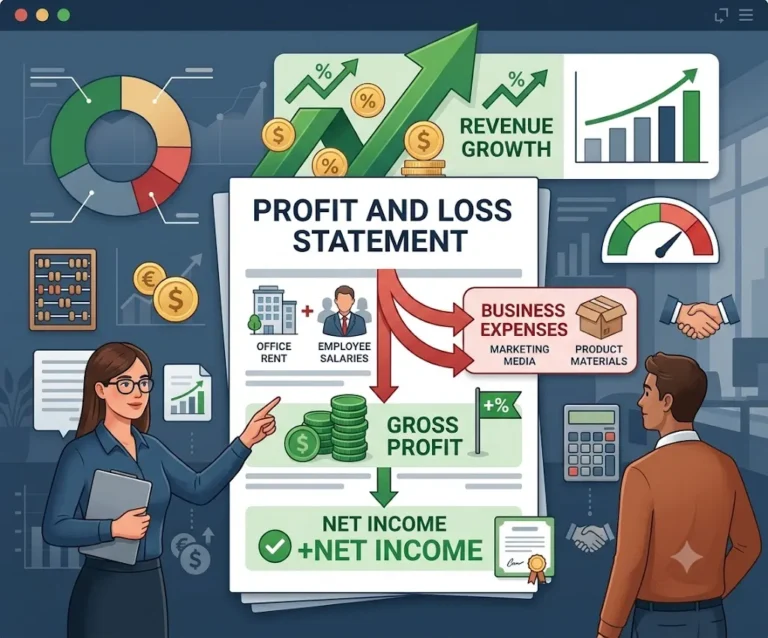
If you ignore these costs, your business may look busy on the surface while actually losing money behind the scenes. It’s also a good idea to review your prices every six to twelve months to keep pace with inflation and rising business expenses.
Avoid Common Pricing Mistakes
Many beginners lose money because of a handful of simple pricing mistakes, including:
- Charging too little to win customers
- Forgetting travel costs
- Ignoring equipment replacement costs
- Offering too many free extras
- Never increasing prices
- Copying competitors without knowing your own expenses
Winning Clients with Value, Not Just a Low Price
Finding your first customers may feel challenging, but keep in mind that every successful cleaning business started with zero clients. The key is building trust before you ever try to make a sale — after all, people are inviting you into their homes and workplaces, so trust matters just as much as price.
Instead of leading with discounts, show potential customers why they should choose your business by offering clear communication, professional service, and consistently strong results. These qualities often matter more to customers than simply having the lowest price on the block.

Build a Professional Brand
Your business should look professional from day one, even if you’re working entirely on your own — customers should still feel confident hiring you. Start with the basics by creating:
- A simple business logo
- Professional business cards
- A business email address
- Branded uniforms
- A clean and easy-to-use website
A professional image helps customers trust your business before they’ve even reached out to you.
Create a Google Business Profile
One of the easiest ways to attract local customers is by creating a Google Business Profile. This free listing helps your business appear in local search results and on Google Maps, and your profile should include:
- Business name
- Phone number
- Website
- Service areas
- Business hours
- Photos
- Customer reviews
A complete, well-filled-out profile increases your visibility whenever someone searches for cleaning services nearby.
Ask for Reviews Early
Online reviews are one of the strongest trust signals a new business can have. After completing a successful job, don’t hesitate to politely ask your customer for a review.Improve your local search rankings, increase customer confidence, and generate more inquiries over time. Always thank customers for their feedback, whether it’s positive or negative — professional responses show that you genuinely care about customer satisfaction.
Use Referral Marketing
Happy customers often become your best marketing team. A simple referral program encourages existing clients to recommend your business to family, friends, and coworkers. You could offer a discount on the next cleaning, a free add-on service, gift cards, or loyalty rewards. Word-of-mouth marketing remains one of the most effective ways to grow a cleaning business organically.
Promote Your Business Online
Digital marketing helps people find your business even while you’re out working. Start with a few simple marketing channels to build momentum.
Build a Website
Your website should clearly explain your services, service areas, pricing information, contact details, customer reviews, and frequently asked questions — and it’s worth keeping the design clean and easy to navigate.
Use Social Media
Social media allows you to connect directly with local customers. Share content such as before-and-after photos, cleaning tips, customer testimonials, behind-the-scenes videos, and special offers. Posting consistently helps keep your business visible in people’s feeds.
Join Local Community Groups
Many neighborhoods have Facebook groups where residents ask for service recommendations, so it’s worth becoming an active member. Rather than constantly advertising, focus on answering questions and offering helpful advice — people are far more likely to hire businesses they already recognize and trust.
Think carefully about where your ideal customers actually spend their time before investing in marketing. Homeowners often participate in neighborhood Facebook groups, while business owners may attend local networking events or belong to professional associations. By becoming active in these communities and offering genuinely helpful advice, you can build trust naturally and generate referrals without relying entirely on paid advertising.
Network with Local Businesses
Strong partnerships can bring you a steady stream of referrals. Connect with real estate agents, property managers, apartment complexes, interior designers, home organizers, moving companies, Airbnb hosts, and local business associations. These professionals often need reliable cleaning services for their own clients, and building relationships with them can create a consistent source of recurring work.
Building Credibility From Day One
Customers want proof that they’re hiring the right company. Don’t assume you need to compete purely on price — many customers are willing to pay more for a cleaning company that’s reliable, insured, communicates clearly, and consistently delivers excellent results.
Even if your business is brand new, there are plenty of ways to build trust. You can show proof of insurance, display business licenses, share customer reviews, use professional branding, arrive on time, communicate clearly, wear a clean uniform, and follow a cleaning checklist. These small details add up to create a professional image, and every positive experience increases the odds of repeat business and referrals.
Be Local and Easy to Reach
Customers generally prefer hiring businesses that are nearby, so clearly list the cities and neighborhoods you serve on your website and Google Business Profile. Make it easy for customers to contact you by offering phone calls, email, online contact forms, text messaging, and social media messaging — and respond quickly to inquiries, since fast responses often help you win customers before your competitors even reply.
Delivering an Exceptional Client Experience
Getting your first customer is exciting, but keeping that customer is even more important. Long-term clients provide stable income, reduce your marketing costs, and often recommend your business to others — and excellent customer service is what turns one-time cleaning jobs into recurring appointments.
Communicate Clearly
Good communication builds trust. Before every cleaning appointment, confirm the date, time, services included, special requests, and access instructions. After the cleaning is complete, follow up with your customer to ask whether they’re happy with the service and whether there’s anything you could improve — listening to feedback shows that you genuinely value your customers.
Maintain Quality Standards
Customers expect the same high-quality service every single visit, so create detailed cleaning checklists for every type of property you service. Checklists help ensure every room receives the same level of attention, and they also make training new employees much easier as your business grows. Consistency, more than anything else, is what creates loyal customers.
Solve Problems Quickly
Mistakes happen in every business, and the way you handle problems often matters more than the mistake itself. If a customer reports an issue, respond politely, listen carefully, apologize when necessary, offer a solution, and follow up after resolving the problem. Professional customer service can often turn an unhappy customer into a loyal one.
Use Technology to Stay Organized
Running a cleaning business becomes much easier when you stay organized. As your customer list grows, consider using software to manage appointments, invoices, payments, customer information, employee schedules, and job checklists. Automation reduces mistakes, saves valuable time, and creates a smoother overall experience for your customers.
Focus on Long-Term Relationships
The most successful cleaning businesses don’t constantly chase new customers — instead, they focus on keeping the customers they already have. A few simple habits make a big difference: always arrive on time, be respectful, communicate professionally, deliver consistent quality, and thank customers for their business. Strong relationships like these lead to repeat bookings, referrals, and steady, sustainable growth, and every satisfied customer becomes another opportunity to grow your reputation.
By pricing your services correctly, marketing your business effectively, and delivering outstanding customer service, you create a strong foundation for long-term success. In the final part of this guide, you’ll learn how to grow your cleaning business, avoid common mistakes, and find answers to the most frequently asked questions from new business owners.
Common Mistakes to Avoid
Every new business owner makes mistakes — the goal is to learn from them before they become expensive. Here are some of the most common mistakes new cleaning businesses make.
Charging Too Little
Low prices may attract customers, but they also chip away at your profits. Always calculate your expenses carefully before setting your rates.
Skipping Insurance
Working without insurance puts both your business and your personal finances at risk. One accident can end up costing far more than an annual insurance policy would have.
Ignoring Customer Service
Cleaning is, at its core, a service business. Your communication, reliability, and professionalism matter just as much as your cleaning skills, and happy customers are the ones who become repeat customers.
Poor Financial Management
Track every dollar your business earns and spends. Good bookkeeping helps you understand your profits, prepare your taxes accurately, and make smarter business decisions overall.
First-Year Mistakes New Cleaning Business Owners Make
Every business owner learns through experience, but avoiding a few common mistakes can save you significant time and money.
One common mistake is buying expensive equipment before you even have paying customers. It’s better to start with reliable essentials and upgrade your tools gradually as your business grows. Another mistake is accepting every job that comes your way — not every client is the right fit, so focus on customers who genuinely value your services and match your target market.
Many beginners also forget to track travel time, fuel costs, and cleaning supplies when setting their prices. These expenses add up quickly and can quietly erode your profits if they aren’t factored into your pricing from the start. Finally, avoid relying on word-of-mouth alone — continue asking for online reviews, updating your Google Business Profile, and promoting your business on social media to keep attracting new customers.
Learning from these mistakes early will help you build a stronger, more profitable cleaning business from the ground up.
Your First 30-Day Action Plan
If you’re ready to start your cleaning business, follow this simple plan.
Week 1
- Choose your cleaning niche.
- Research your local market.
- Create your business plan.
- Select your business name.
Week 2
- Register your business.
- Purchase insurance.
- Open a business bank account.
- Buy your cleaning equipment.
Week 3
- Build your website.
- Create your Google Business Profile.
- Design your business cards.
- Set your pricing.
Week 4
- Start promoting your services.
- Ask friends and family for referrals.
- Join local community groups.
- Book your first customers.
- Ask every satisfied client for a review.
Small, consistent actions each week will help your business grow faster than waiting around for everything to be perfect.
Final Thoughts
Starting a cleaning business is one of the few opportunities where the barrier to entry is relatively low, but long-term success still depends on how well you run the business—not simply how well you clean.
Over the years, one lesson has remained consistent across successful cleaning businesses: owners who focus on delivering reliable service, building trust with customers, and improving their systems over time are far more likely to succeed than those who compete only on price. A professional reputation is built one job at a time, and every satisfied customer creates an opportunity for repeat business and referrals.
If you’re just getting started, don’t feel pressured to have everything perfect before accepting your first client. Start with the essentials, learn from every job, track your expenses carefully, and refine your processes as your experience grows. Most successful cleaning companies didn’t begin with expensive equipment or a large team—they began with one client, consistent effort, and a commitment to doing quality work.
Remember that your first year is about building a strong foundation. Invest in good habits, stay organized, communicate professionally, and continue learning about your industry. Those small improvements will compound over time and make it much easier to grow your business when you’re ready to expand.
The cleaning industry continues to offer opportunities for people who are dependable, detail-oriented, and willing to provide excellent service. If you approach your business with professionalism, patience, and a long-term mindset, you’ll be in a much stronger position to build a business that supports your financial goals for years to come.
The first client is often the hardest to earn—but once you prove your value, every satisfied customer becomes the foundation for the next opportunity. Start with confidence, keep improving, and let your work speak for itself.
Common Questions
Starting a cleaning business is exciting, but it’s completely normal to have questions before you begin. Below are answers to some of the most common questions new business owners ask.
What Is the Most Profitable Type of Cleaning Business?
The most profitable cleaning business depends on your location, experience, and target market. Some cleaning services require very little investment, while others need specialized equipment and training. Here are some of the most profitable cleaning niches:
- Residential house cleaning
- Commercial office cleaning
- Airbnb and vacation rental cleaning
- Move-in and move-out cleaning
- Post-construction cleaning
- Medical office cleaning
- Carpet and upholstery cleaning
- Window cleaning
Residential cleaning is often the best choice for beginners because it has low startup costs and steady demand, while commercial cleaning usually offers larger contracts and recurring monthly income. If you’re planning to grow your business over time, commercial clients can provide more stable revenue in the long run.
Do I Need Experience to Start a Cleaning Business?
No — you don’t need professional cleaning experience to get started. That said, it’s worth learning proper cleaning techniques before accepting paying customers. Practice cleaning different rooms in your own home or for family members, watch professional training videos, read cleaning guides, and learn how to safely use different cleaning products. The more confident you become, the better service you’ll be able to provide.
How Do I Get My First Cleaning Clients?
Finding your first customers takes some effort, but it becomes easier as your reputation grows. Start by telling people you know about your business — your first clients may come from friends, family, neighbors, coworkers, local Facebook groups, community organizations, real estate agents, or property managers. Ask every satisfied customer for an online review and a referral, since one happy client can easily introduce you to many more.
Should I Charge by the Hour or Per Job?
Both pricing methods work, but many experienced cleaning businesses prefer charging a flat rate, since it offers several advantages: customers know the total price before work begins, and you earn more as your efficiency improves. Hourly pricing tends to work better for deep cleaning, first-time cleanings, specialty services, and projects with unknown conditions. Ultimately, choose the pricing method that best matches your services and customer expectations.
When Should I Hire Employees?
Don’t rush into hiring — many successful business owners first learn every part of the business themselves. Consider hiring when your schedule is consistently full, you’re turning away new customers, you can’t maintain your service quality, or your revenue supports additional payroll. Hiring too early can increase expenses before your business is financially ready, so build a strong customer base first, then expand carefully.